SideIQ began with frustration at work.
At Redframe, a Dutch web and software development company, we had worked through almost every software promise. ClickUp for managing work, Notion for knowledge, Pipedrive and HubSpot for customer management, Aircall and Ringover for calls, Airtable for custom modules. We spent a week configuring ClickUp, then discovered we could not make calls from it. We downloaded templates, translated them into Dutch and adapted them again. A new customer meant starting much of that work over.
Maintaining tools took time away from doing the work. As a software company, that was especially frustrating. We build software for customers and know how it should work. Yet in our own business, we faced the same problems they did: scattered tools, fragile integrations and endless adjustments.
Then Hygienic, the company behind Bureau voor Dierplagen, joined us. This pest-control business experienced the same fragmentation. Pestscan held business customers, IPM rules and monitoring points on floor plans. Teamleader covered private customers, quotes and CRM. Snelstart handled invoicing and accounting; Adobe Sign handled signatures. There was Gmail, Google Calendar, Google Docs for quote templates, Google Maps for routes and WhatsApp for customer contact. The information was spread across all of them.
Calendar changes did not return to Teamleader. Website leads sent through Make stalled during waves of spam. Route planning was separate from the work orders behind the stops. Work orders could only be created on mobile, while the office prepared most of the work. An attempt to bring everything into Notion ran into problems with quotes and invoices, led to a search for Odoo integrations and cost thousands of euros without producing a working system. The office eventually needed an extra employee just to move and synchronise information between tools.
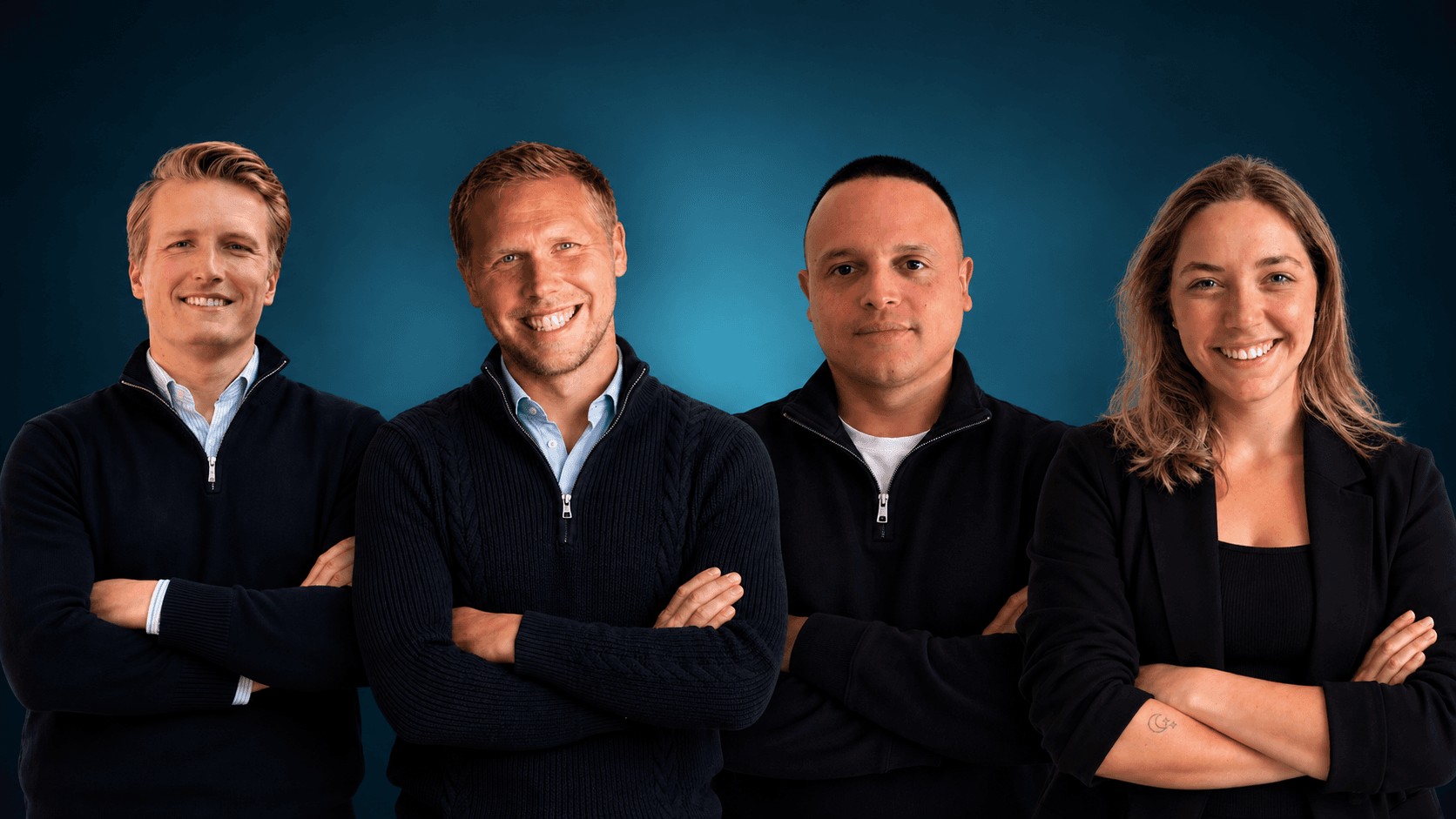
We joined forces because both businesses had decided that a better way should exist. What began as a CRM built around agents and real-time call assistance soon became broader. Looking closely at Hygienic's work showed that adaptable customer management alone was not enough. Screens, workflows and relationships needed to adapt too, beyond individual fields.
The work continues to be tested in practice: by Bureau voor Dierplagen in daily operations and by businesses from other industries contributing their experience. Their questions keep the product connected to the work it is meant to support.
That understanding came from the work itself. It is why SideIQ has three layers designed together, built by people familiar with both the technology and daily operations.
Four beliefs behind SideIQ
Software should adapt to the business.
Installers, estate agents, pest-control businesses, energy advisers and coaches work differently. Forcing them into one rigid structure makes implementation harder. We are building Collections and Blueprints as an adaptable layer around how each business works. The aim is to reduce the need for costly configuration projects and templates that customers must translate and rebuild themselves.
Context matters more than isolated data.
An invoice alone is a record. Connect it to the conversation that started the work, the quote that preceded it and the emails about payment, and it becomes understandable. SideIQ uses conversation threads to connect that history around customers and projects. The context grows as work continues.
AI needs the context of the work.
A summary or suggested sentence can help. We want AI to work with the communication, decisions, documents and workflows around the task as well. SideIQ Intelligence builds on the conversation threads and collections in the other layers, so its help can use the relevant business context.
Good software helps people do their work without demanding constant attention.
Tutorials, notifications, feature tours and onboarding checklists can all ask for attention. We believe useful software should become easier to work with as you use it. The work should stay in the foreground. That belief guides how we build the product.
Three layers designed to work together
This vision shapes the architecture. SideIQ has three layers, each with its own role and each connected to the others.
As a business uses the platform, conversation threads and records retain more of its working history. Our aim is for that shared memory to make information easier to find and future work easier to prepare. Availability and the degree of automation depend on the features in use.
Layer 1 · Everyday operations
The shared business functions: email, calls, calendars, quotes, invoices, documents and conversation threads. They provide a consistent, connected foundation for daily work.
Layer 2 · Adaptable processes
This is where a business models its own work: work orders for an installer, property records for an estate agent or candidates for a recruiter. The collections connect to everyday operations. For Hygienic, that means room to model inspection requirements and monitoring points alongside customer work.
Layer 3 · Industry experiences
The vision is to turn adaptable collections into complete industry experiences with their own screens, navigation and AI agents. They use the same records and core features as the rest of the business, bringing the platform closer to the way a team actually works.
Software that grows with the business using it
We are building for current customer needs and for a longer-term direction in business software. We see more of the work becoming connected across communication, relationships, documents, scheduling, delivery and payment.
Our ambition is a business operating system: a shared model for the lifecycle of work, with AI agents that can help prepare and carry out actions, and workspaces that businesses can shape without writing code. People need to be able to review decisions and understand what happens.
SideIQ is an early step in that direction. We are building the foundation for software that adapts by industry and becomes more useful as it holds more working context, for people who want to shape their work without becoming developers.
A different starting point for business software
For businesses, the starting point is a connected system in which customers, agreements and work already relate to each other. The goal is to reduce the separate integrations and repeated data entry needed to keep work moving. The actual setup depends on the business and the systems it needs to keep.
For partners and builders, the aim is to create industry experiences, custom apps and blueprints on a shared platform. The platform provides the foundation while partners shape the experience for their customers. We want that work to remain maintainable as requirements change.
For long-term partners and investors, the ambition extends beyond an individual tool. We are building a foundation for how businesses organise their work, today and as their needs develop.